

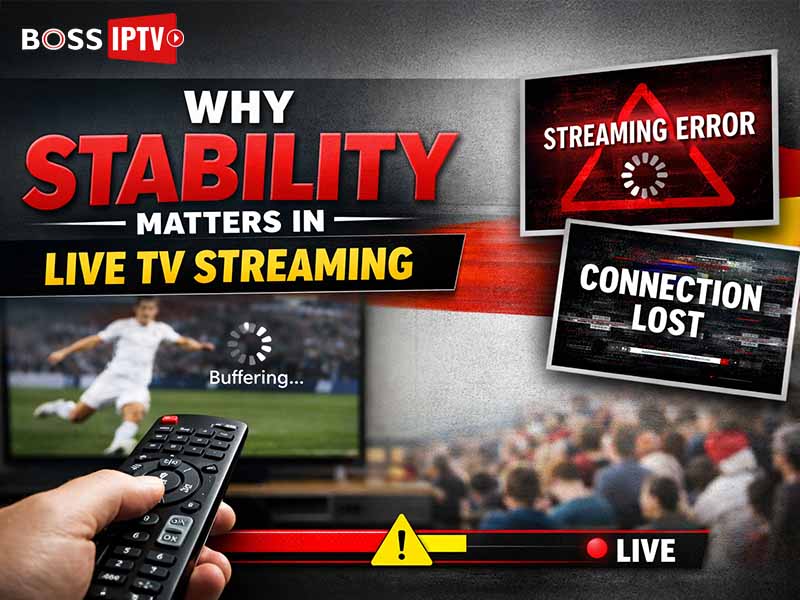
Watching live TV at home has become much easier with internet streaming. People don’t need cable or satellite anymore. You can watch many channels from the comfort of your home on smart TVs, phones, tablets, or set-top boxes. But there is one thing that can make or break your experience: stable streaming.
When streaming is stable, the video plays smoothly, the sound is clear, and you can enjoy your favorite shows, sports, or news without interruptions. On the other hand, if there are buffering issues, it can make watching TV very frustrating. In this blog, we will talk about why stable streaming matters, what causes problems like buffering, and how you can improve your streaming setup to get the best experience.
TL;DR
Live TV streaming works best when the connection is smooth and steady. When streaming is stable, video and sound play without stops, and you don’t miss important moments. But when buffering issues happen, shows pause, live sports get interrupted, and watching TV becomes annoying. A good internet connection, updated devices, and a reliable service help reduce these problems. Stable streaming makes live TV easy to watch, stress-free, and enjoyable for everyone at home.
What Is Stable Streaming?
Stable streaming means the video plays continuously without freezing, pausing, or losing quality. It makes sure that movies, TV shows, or live events reach your device without interruptions.
With stable streaming, viewers enjoy:
- Clear picture: No blurry or pixelated frames.
- Good sound: Audio matches the video perfectly.
- Smooth live events: Sports, concerts, or news play without delays.
For families or people who rely on live TV, having stable streaming is very important. It is possible to spoil an entire experience by missing a goal in a football match or the climax of a film due to buffering problems. The stable streaming ensures that all people watch the content in the manner in which it is supposed to be watched.
A premium IPTV can make this experience even better by offering smooth, reliable streams and fewer interruptions for all kinds of live channels and movies.
The Problems Caused by Buffering Issues
Buffering issues happen when your internet connection cannot send video fast enough. The video stops, a loading icon appears, and sometimes the sound and picture go out of sync. These interruptions are more common during live broadcasts because the data is being streamed in real-time.
Buffering issues can:
- Interrupt your viewing: Pauses make it hard to enjoy movies, shows, or sports.
- Cause missed content: Important news, sports events, or live programs may be skipped.
- Increase frustration: Waiting for a video to load is annoying, especially during crucial moments.
Because of these problems, stable streaming is not just nice to have—it is necessary for anyone who watches live TV.
Why Stability Matters More for Live TV
Live TV is different from on-demand content. You cannot stop what has already been watched such as sport games, television news or award shows. This is why stable streaming is very essential in live TV.
Just imagine you are viewing a live football match and your stream buffers every 30 seconds when there is a goal. You miss the action and the excitement goes. Or when there is an update of news being broken, buffering might interrupt you. Stability makes sure that viewers can receive events in real time and experience all the moments without missing out something.
Live television is also unpredictable. You are not sure of what will happen tomorrow or tomorrow and this is part of the excitement since events are taking place in real time. A steady stream enables the viewers to remain in touch with the action until the end.
Things That Affect Streaming Stability
Several factors can affect whether your live TV stream is stable or prone to buffering issues:
- Internet speed: Slow connections cannot handle high-definition videos. A fast and reliable connection is essential for smooth streaming.
- Network traffic: Streaming during busy hours may cause congestion, leading to buffering.
- Device performance: Older smart TVs, low-powered set-top boxes, or older phones may struggle with HD content.
- Streaming service quality: Not all providers are equal. Some services are optimized for stable streaming, while others may have frequent interruptions.
Understanding these factors helps viewers take steps to reduce buffering and enjoy uninterrupted streaming.
Tips for Better Stable Streaming
Here are some practical ways to improve stability and reduce buffering issues:
- Use a strong Wi-Fi or wired connection: Wired connections are usually more stable than Wi-Fi.
- Close apps running in the background: Other apps can slow down your internet and cause buffering.
- Choose a reliable streaming service: Look for providers known for stable streaming.
- Keep devices and apps updated: Updates often fix problems and improve performance.
- Lower video quality if needed: If your internet is slow, reducing the resolution can prevent buffering.
Doing these simple things can make a big difference in enjoying live TV without interruptions.
Benefits of Stable Streaming
Stable streaming does more than prevent frustration—it makes watching TV more enjoyable.
- Uninterrupted entertainment: You can watch shows, movies, and live events without pauses.
- Better picture and sound: Clear video and synced audio make watching more fun.
- Good for families: Everyone can enjoy content on different devices without problems.
- Value for money: Paying for a subscription makes sense when the service works smoothly.
A service that delivers stable streaming helps viewers trust it and keeps them happy. Family movie nights, live sports, and concerts become more fun and stress-free.
How Stable Streaming Affects Everyday TV Watching
Having a stable stream changes the way people watch TV at home. Kids can watch cartoons without interruptions. Adults can enjoy movies or shows without losing interest. Sports fans can follow live games without missing goals or plays. News watchers can get updates as they happen.
Stable streaming is another stress-reducing factor. You do not have to reboot gadgets, change services, or wait until videos are loaded. It makes the viewing of the television more comfortable and enjoyable.
Even casual viewers benefit. It is easier to watch cooking programs, traveling shows, or even talk shows. There are no moments lost since the stream is buffering. It simplifies and satisfies home entertainment.
Conclusion
Live TV streaming is now a big part of home entertainment. Without stable streaming, viewers face constant frustration from buffering issues. Choosing a reliable service, improving your internet, and updating your devices can make a huge difference.
Whether kids are watching cartoons, adults are watching movies, or sports fans are following live matches, stable streaming ensures a smooth experience for everyone. Stable streaming is not just a convenience, it is essential to enjoy live TV the way it is meant to be watched.
With the right service and setup, viewers can enjoy uninterrupted entertainment anytime, anywhere. It makes live TV fun, relaxing, and stress-free. Everyone at home can watch what they want without missing important moments.
Frequently Asked Question
Stable streaming means your video plays smoothly without stopping, freezing, or losing quality. You can watch live TV without breaks.
Live TV plays in real-time. If the internet is slow, buffering issues happen faster because the video can’t load ahead.
Yes. Slow internet is one of the main reasons for buffering. A faster and steady connection helps a lot.
Yes. Old TVs, phones, or boxes may struggle to handle live streams and cause buffering.
Use strong internet, close background apps, keep devices updated, and lower video quality if needed.
Yes. Sports and news are live. If the stream buffers, you can miss important moments.
Recent Comments